
By Omale Ojochide Joy & Amé Atsu David
Global Fund for Children
Editor's note: This blog post was compiled by Omale Ojochide Joy, age 17, a member of the Adolescent Influencers Movement in Nigeria, and Amé Atsu David, Regional Co-Director for Africa at Global Fund for Children.
Global Fund for Children and its partners in West Africa are empowering young people to become catalysts for change in their communities. In this article, adolescents from four West African countries share perspectives on female genital cutting and call for an end to this traditional practice.
With the second West Africa Adolescent Girls Summit scheduled to take place March 26-29, 2024 in Monrovia, Liberia, we members of the Adolescent Influencers Movement aim to create a space for open dialogue and reflection on the complex and sensitive issue of female genital cutting (FGC).
Adolescent perspectives
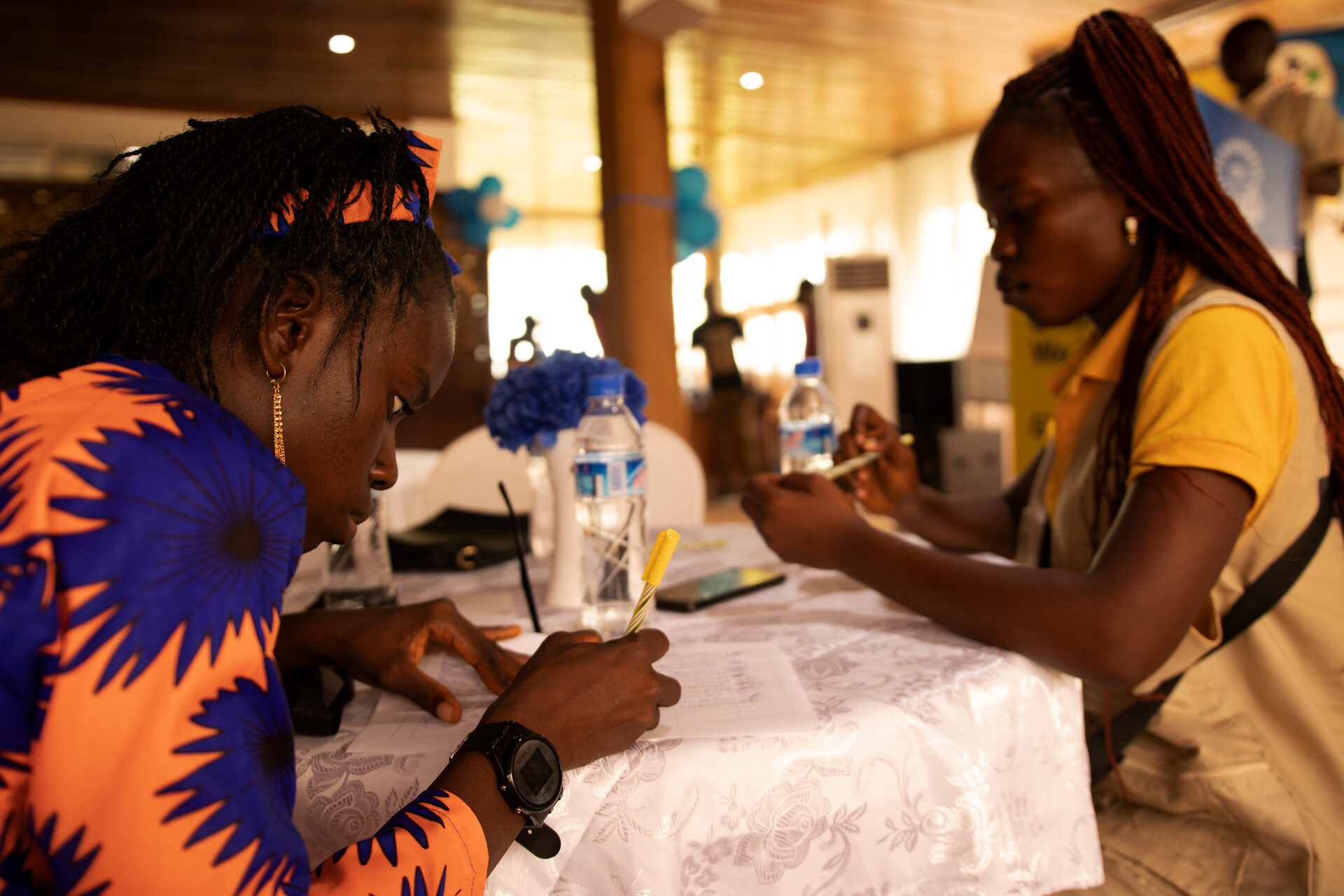
"This practice should end because it causes harm to females when they are growing or grown up. For instance, when a girl goes through this practice, it can be very difficult for her to give birth when she grows up."
- Aniah Joy, 14, Ghana
"For us in Sierra Leone, female genital cutting is still practiced. The initiators are now performing the practice during the holiday periods because they know that it is the period when girls won't be in school. To end this harmful practice, we the girls as well as some boys at WAVES in Sierra Leone have joined hands as advocates in campaigning to end FGC in our country."
- Hannah Smith, 19, Sierra Leone
"I think our ancestors practiced this culture because they were unaware of the negative health consequences due to lack of education. We should not be like them, since we're now educated and we know that it's harmful. We can still have a culture without FGC."
- Professor William Daniel Mattia, 19, Sierra Leone
"Girls are being cut because the bondo is now all about money. They are not teaching or doing the right thing anymore."
- Beatrice Crusoe, 17, Liberia
"I believe that female genital cutting is a harmful practice that should be eliminated. It causes long-term physical and psychological harm to women and girls. The other thing that is disheartening is that it's no longer done in the bush but now in the center of towns, which is no more about the culture. I am convinced that it's no longer about culture but about people using it as a means of getting money."
- Hindolo S. Jaia, 17, Sierra Leone
"If FGC must stop, then it must stop. There should not be an alternative for the practice. If the discussions in the bush are beneficial to the girls, then they should be taught in schools and added to the school curriculum. In that way, both genders are able to learn."
- Favour Unoh, 18, Nigeria
"Zero tolerance for female genital cutting reflects a global commitment to eradicate this harmful practice. We must emphasize the unequivocal stance against any form of FGC, recognizing it as a violation of human rights and a threat to the wellbeing of women and girls."
- Francis Emmanuel Ensah, 19, Sierra Leone
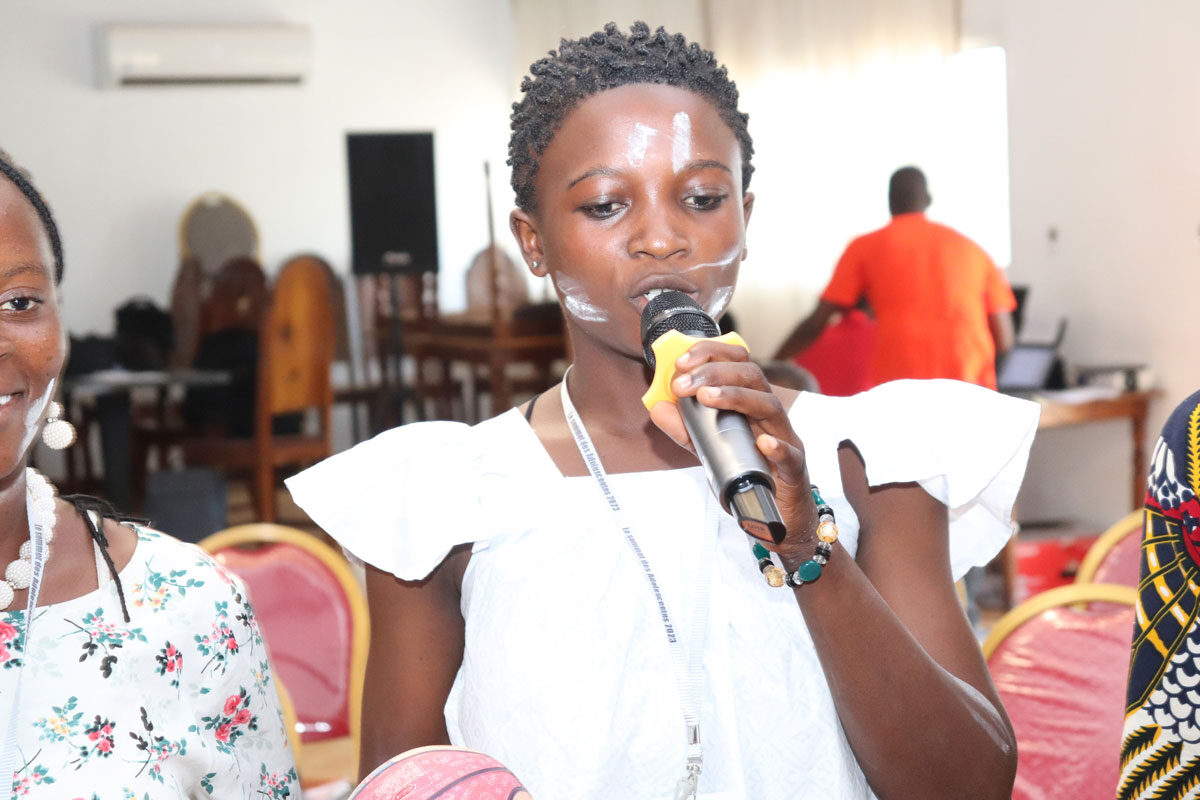
During the Adolescent Girls Summit, adolescent girls and boys will have the opportunity to engage in further discussions about the issue of female genital cutting. By bringing together stakeholders such as policy makers, community leaders, and young leaders, the summit aims to foster dialogue, collaboration, and collective action.
Originally published on Global Fund for Children