
By Sunga Kufeyani
Global Fund for Children — Learning and Influencing Fellow
A version of this article was originally published in the Alliance Magazine blog.
For International Youth Day, Global Fund for Children's Learning and Influencing Fellow Sunga Kufeyani shares advice for funders on engaging adolescents and empowering them to advocate for their communities.
Happy International Youth Day. I thought I would start this day by telling you a story. When I was an adolescent, I loved knitting and enjoyed teaching kids younger than me to knit. I had a big blue ball of yarn and a pair of knitting needles that sometimes crowded my aunt's house. On more than one occasion, I sat my family down to present a case on the importance of knitting and why I deserved more knitting needles for the kids in our neighborhood.
Advocating for something when we are young can look different but is no less powerful. It may be easier to take seriously a child advocating for knitting materials than one advocating for equal access to good quality education, but the truth is that both have a clear understanding of what they are fighting for.
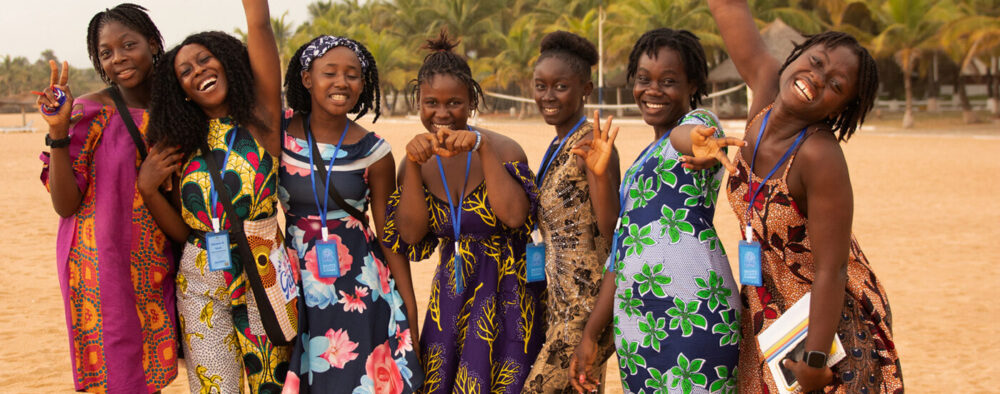
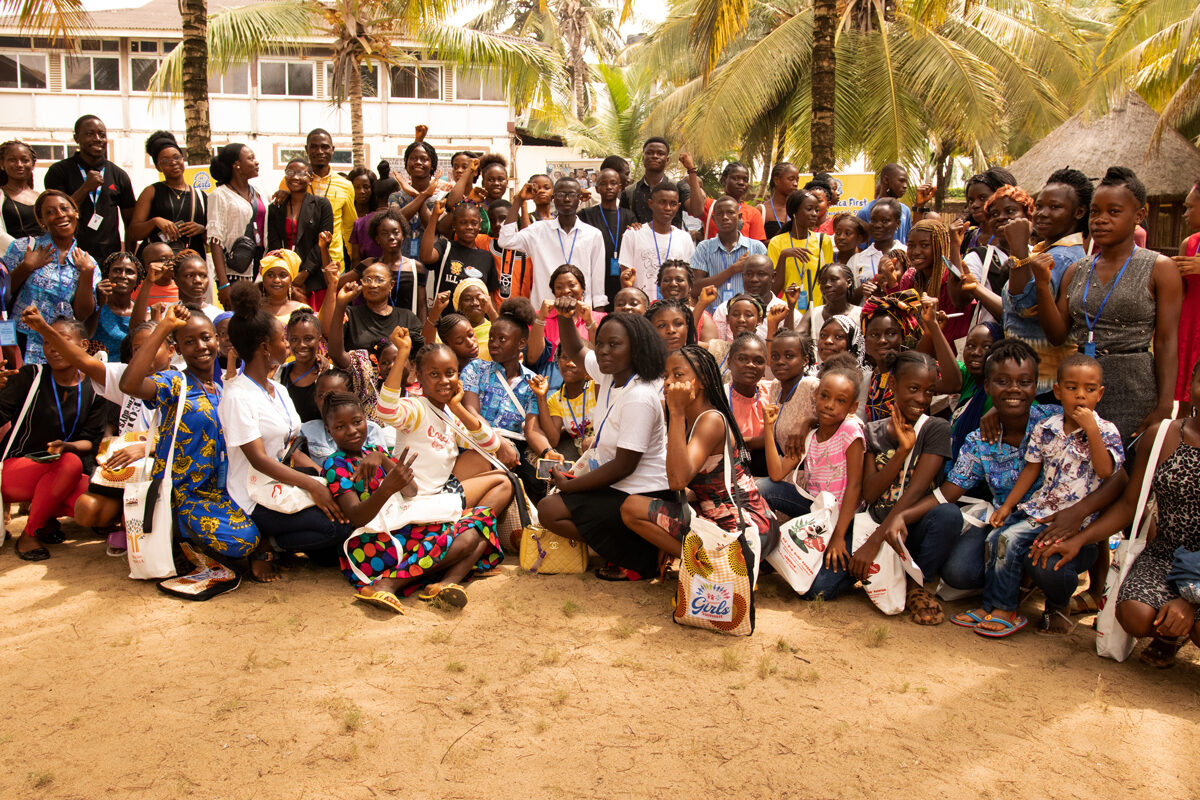
Adolescents in different parts of the world fight for many causes close and dear to them, such as ending cultural practices that harm young women or ending period poverty. I was fortunate to see adolescent-led activism during the West Africa Adolescent Girls Summit in Liberia this spring. As an African (Malawian), I have no words to express the awe I felt seeing young activists engage with different stakeholders.
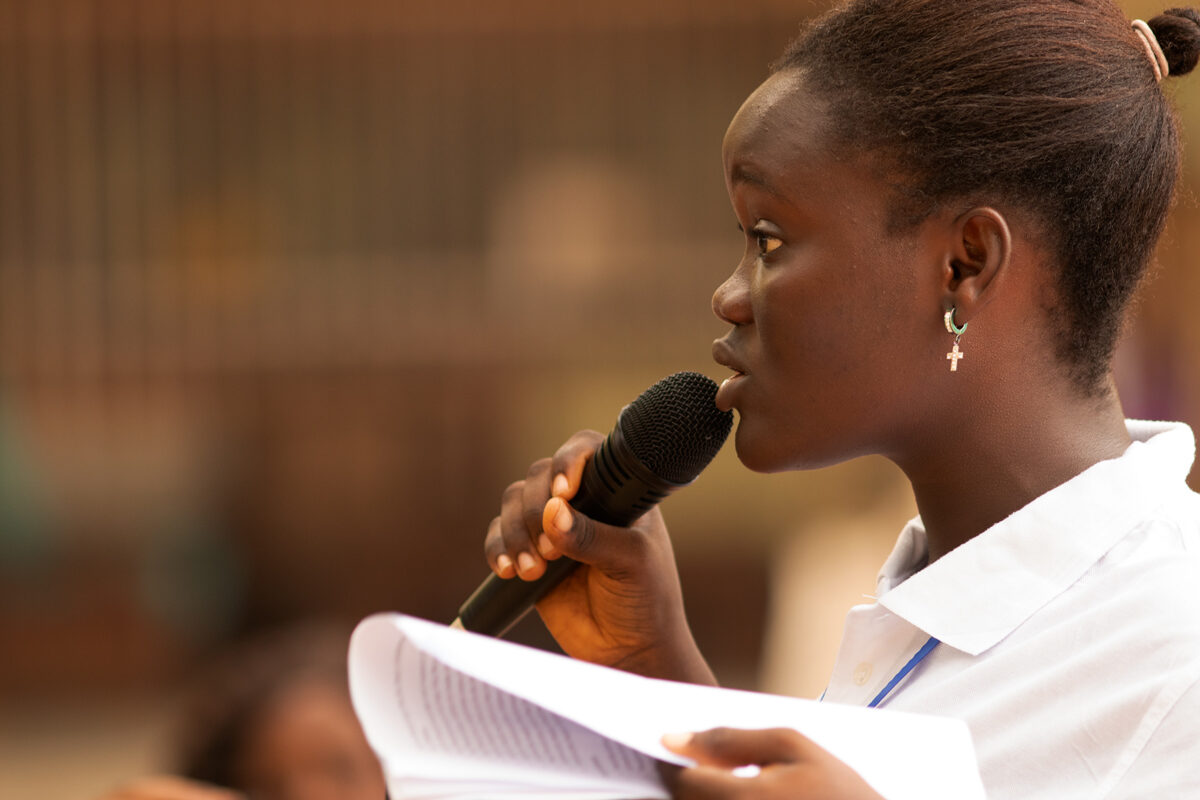
During the summit, young people engaged with various stakeholders, including international funders and the Vice President of Liberia. The young activists advocated for equality when accessing education and called for change when addressing female genital cutting and menstrual poverty. Four months later, I still dwell on the passion and drive that I experienced and how we can learn from these young activists.
Treat youth as the experts they are
Most of the time, we design and fund programs, projects, and even events for adolescents without including their expertise. We must avoid utilizing youth as the face of movements without engaging them. We must remember they bring the most crucial experience - the lived experience - and understand the implications a particular problem causes in their lives.
Walk alongside youth by providing avenues of growth
Young people are not a monolith even when they come from the same country. When working with young people, cultural and environmental differences must be considered. Always make room for young people in marginalized communities and those living in poverty; look for opportunities that will not only advance the issue they are fighting for but also help them grow as advocates, activists, and strong voices for their communities.
Pay close attention to what youth are proposing
One obvious thing throughout the summit was that the young activists understood the issues they were advocating for. For example, they clearly wanted communities and the government to end and penalize female genital cutting. They did not want to have this practice modified. They wanted it to end. When working with young people and organizations working with young people, it is imperative to consider the existence of program areas that directly address issues the young activists are raising.
For this International Youth Day, I hope we learn to encourage and support the various ways young people advocate for their rights and passions. When I was younger, in my father's living room, I learned how to advocate for knitting materials and my dad graciously supported my efforts. This response made me feel seen, and my father made me believe that what I was doing was worth investing in.
This initiative is a partnership between Tides Foundation, People's Postcode Lottery, and GFC.
Originally published on Global Fund for Children